San Pedro is probably Chile's most expensive small town: a tourist economy 1,600 km from anywhere, with everything trucked in over the Andes. It is still affordable if you know where the money actually goes. These are the real 2026 numbers — lodging tiers, tour prices, park fees, the ATM tax — and three sample budgets that add up.
What things actually cost
Everything below was cross-checked against live GetYourGuide listings and on-the-ground prices in early 2026. Chile's currency is the peso; at roughly CLP 975 per US dollar, CLP 10,000 is about US$10. For live comparisons, our price table lists every tour in the catalog in both currencies, and Compare puts them side by side with inclusions.
Prices move with the season: the same mid-range room can be US$55 in April and US$95 the week of Christmas.
Lodging: the three tiers
Hostels (US$15–18 per dorm bed) cluster within five blocks of the plaza; quality varies wildly, so read recent reviews for heat and noise specifically — desert nights get cold and block parties happen. Mid-range hotels (US$46–72 for a double) buy you breakfast, heating and, at the better ones, a pool; this is the tier where San Pedro over-delivers relative to price. Boutique lodges (US$123+) — adobe suites, plunge pools, all-inclusive dinners — are what the town is quietly famous for, and several justify the money.
Book high-season beds (December–February, July) two to three months out; shoulder season rewards spontaneity with empty rooms and negotiable rates. If you are deciding where to splurge, spend on the lodge you sleep in rather than the van you ride in — dawn tours end by lunch, and the afternoons you spend at a good pool are the ones you remember.
Shoulder-season timing (late March–April, September–October) cuts 20–30% off lodging — see when to go.
Tours and entry fees: where budgets blow up
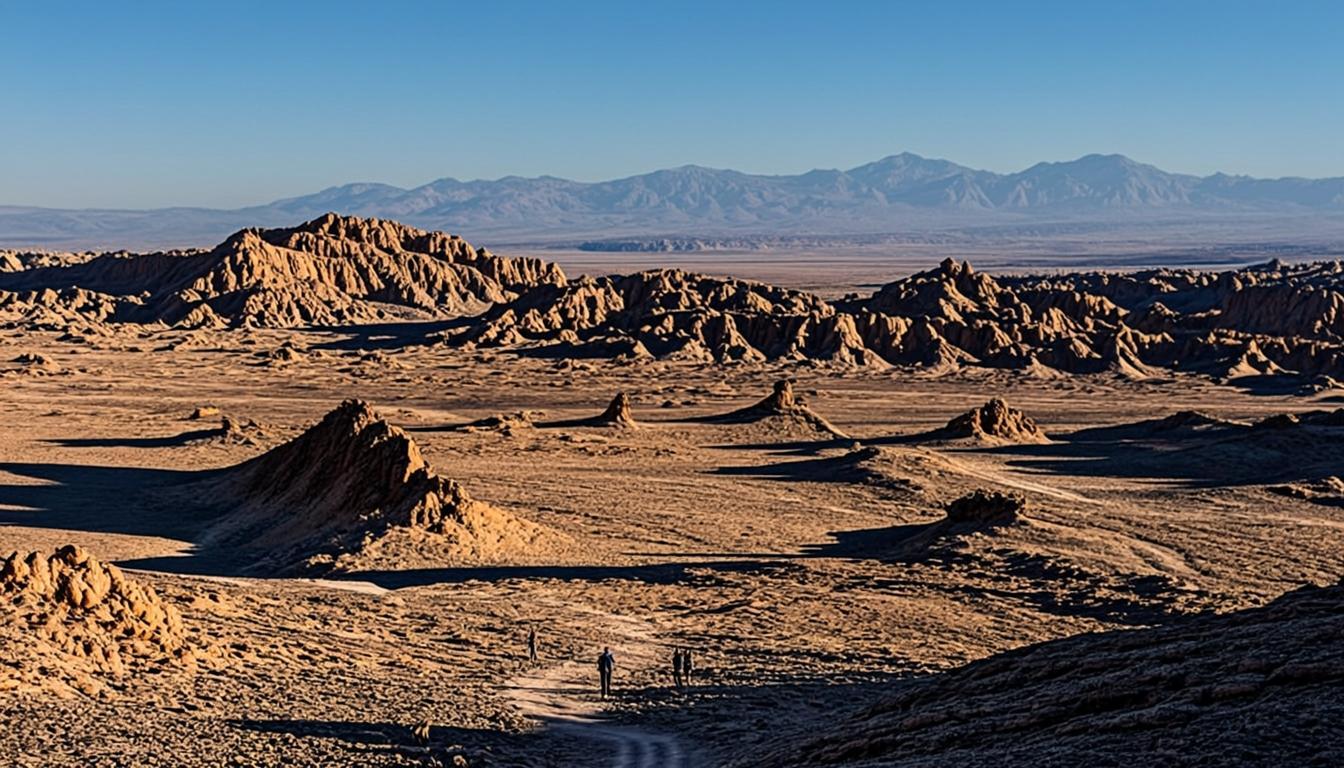
Tours are the biggest line item after lodging. From our measured catalog: stargazing from US$30, a Valle de la Luna half-day from US$32, the full sunset version from US$63, El Tatio from US$73, Piedras Rojas from US$86 and combination days from US$89. Note the gap between a cheap US$32 shuttle and a US$63 sunset tour — the difference is guide quality, group size and timing, not the valley itself.
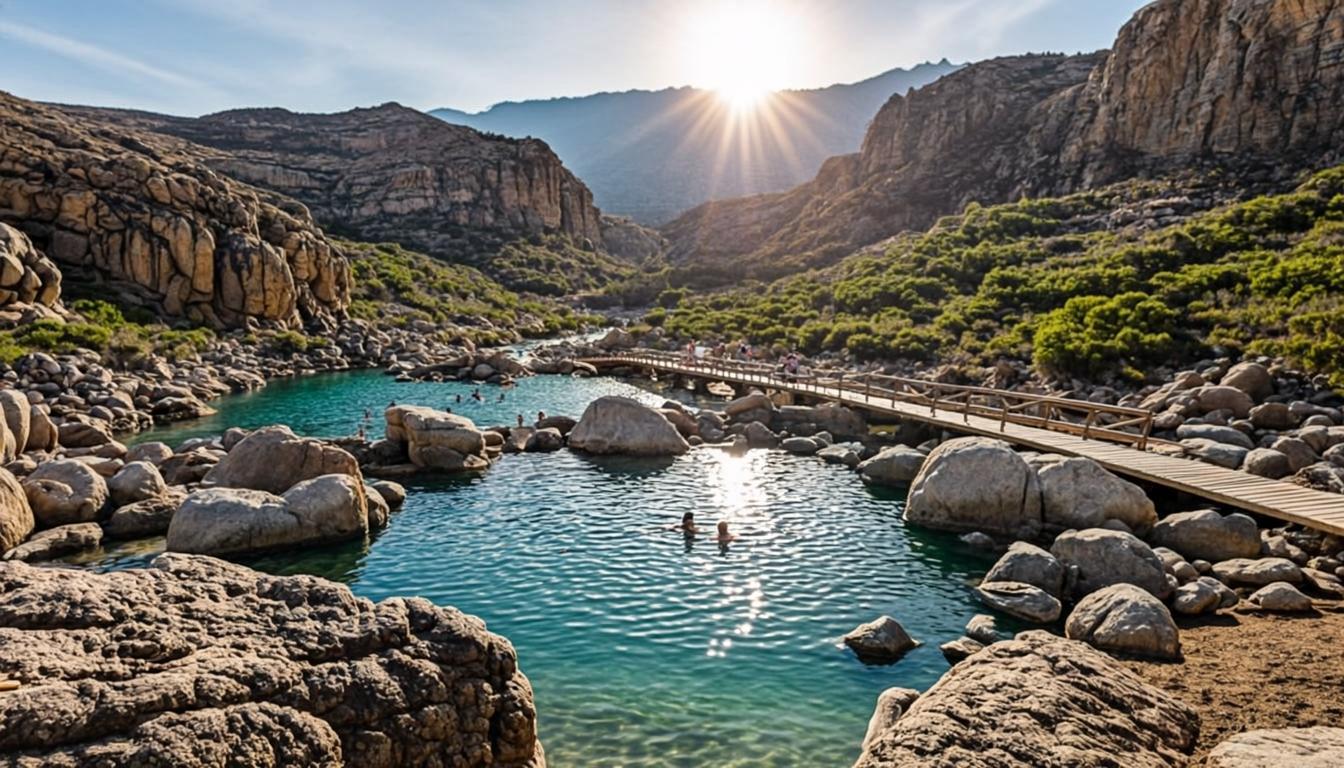
Then add the park fees almost nobody budgets: entry to Valle de la Luna costs CLP 12,000, El Tatio CLP 25,000, Termas de Puritama CLP 30,000 — and none of them are included in tour prices. A week hitting every paid highlight adds roughly CLP 60,000–80,000 (US$60–80) per person. Fees change; verify current rates when you book.
The pattern that works: spend on guides where altitude and timing matter (El Tatio, Uyuni), save where self-guiding is easy (Valle de la Luna by bike, town archaeology).
Three sample daily budgets
Per-person figures, with mid-range and comfort assuming double occupancy. Tours are amortized across a typical stay: one tour every other day for backpackers, three tours across four days for mid-range, private and premium experiences for comfort.
Multiply by four days and add flights: a mid-range week (4 nights, 3 tours, restaurant dinners) lands near US$700–800 on the ground plus the Santiago–Calama airfare.
What the table hides is variance — one balloon flight (US$135) or one private tour doubles a day instantly. The budget tool turns these lines into a total for your actual trip length.
Two real 4-day budgets, itemized
Daily rates hide the shape of a trip, so here are two complete four-day budgets per person, built the way people actually spend: a shoestring trip (dorm bed, shared tours, bike days) and a comfort trip (boutique lodge, private tours, the balloon flight). CLP figures let you check against local quotes at roughly CLP 975 per dollar.
Both totals exclude the Santiago–Calama airfare (US$70–220 return by season and booking window — see getting to San Pedro).
The comfort figure assumes double occupancy; solo travelers add a 20–30% single supplement on lodging.
The biggest lever in either budget is lodging: swapping the boutique lodge for a good 3★ hotel (CLP 55,000–70,000 double) saves about US$180 per person across four nights.
The honest middle: most couples land near US$700–750 per person on the ground for four days — a 3★ hotel, two group tours and one private splurge.
Money tactics that actually work
These are the tactics with a real payoff in San Pedro, roughly in order of impact. None of them involve eating instant noodles in a hostel kitchen — unless you like that sort of thing.
Rent a bike (US$8–10/day) for Valle de la Muerte and town archaeology instead of shuttling every site.
Eat your main meal at lunch: menú del día is US$8–12 for starter, main and juice; the same plate doubles at dinner.
Book combination tours (Valle + Death Valley from US$42) instead of separate shuttles.
Buy entry tickets online in advance and pay tour balances by card to save ATM trips.
Travel late March–April or October: same tours, same sky, 20–30% lower lodging.
Split a private El Tatio departure with four to six people — per-person cost approaches group rates with a far better timeline.
The tactic that does not work: chasing the absolute cheapest shared tour. At the bottom of the market you pay with a 40-seat van, a rushed timeline and a recital instead of a guide — the comparison view shows which operator you are actually buying.
Where people overspend — and how to cut it
San Pedro's markups are not hidden; they are just spread across places you only notice on day three. The five biggest leaks, in rough order of what they cost travelers:
Buying the identical tour for wildly different prices: the same Tatio departure can sell on Calle Caracoles for up to 40% more than at agencies two or three blocks away, and online marketplaces often sit at the low end. Walk off the main drag, then check the comparison table so you know which operator is actually behind the price.
Bottled water from corner shops: CLP 1,500–2,000 per liter versus CLP 800–1,000 at the supermarkets on Toconao street. Six liters a day across a week is the price of a dinner.
Dinner every night: the same kitchens sell a menú del día at lunch for roughly half the dinner price. Make 13:00 the main meal and keep two or three dinners simple.
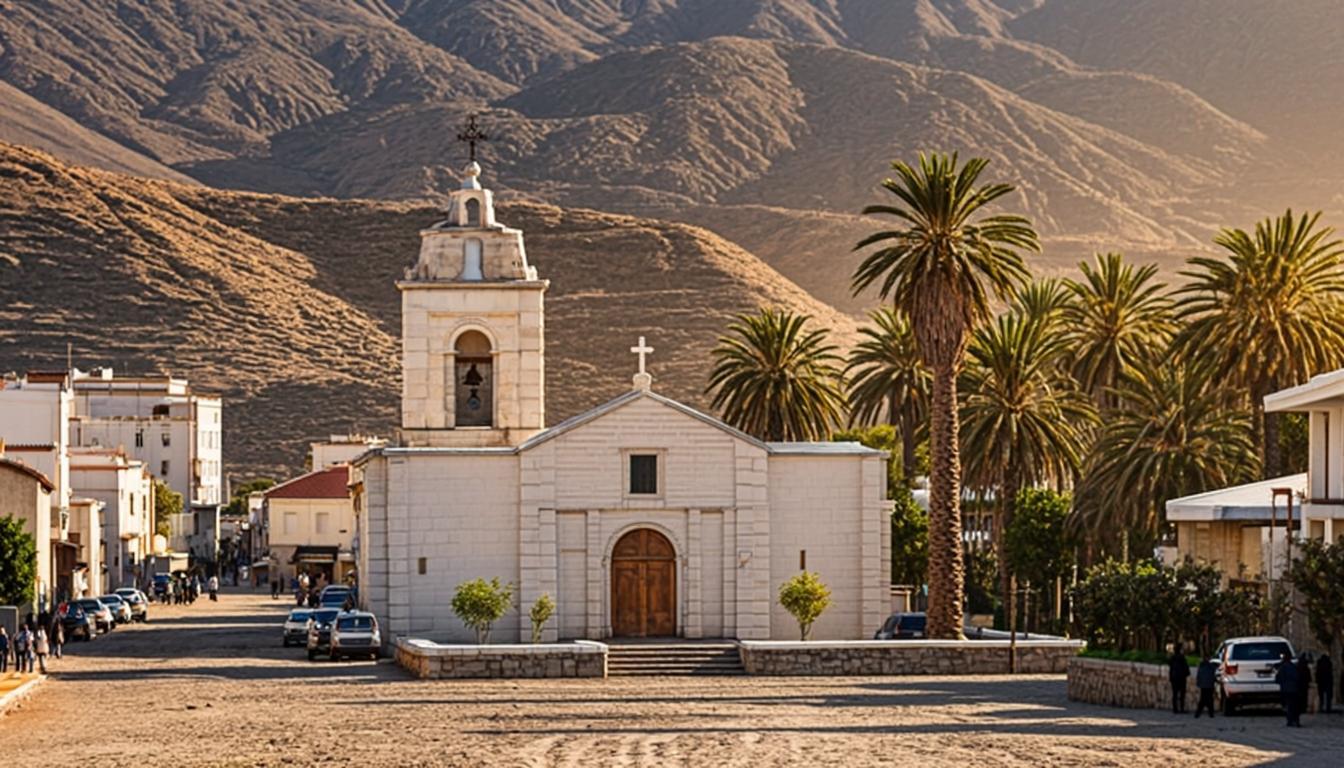
Paying for things that are free: the town walk, the plaza and church, the sunset viewpoint on the road by Pukará de Quitor, naked-eye stargazing ten minutes beyond the town lights, and people-watching the artisan market.
ATM drip: US$7–10 per withdrawal punishes small frequent cash runs. Withdraw once, big, early; pay by card wherever accepted.
The leaks are behavioral, not structural: the town charges tourist prices exactly where you stand still — on Caracoles, at the corner, at dinner.
ATMs, cards and the cash reality
San Pedro has maybe ten ATMs, and they charge US$7–10 per withdrawal with caps around CLP 200,000–300,000 — a US$200 budget can take three withdrawals and US$25 in fees. Withdraw once, early in your stay; they run dry on weekends when tour groups flood in. Cards are accepted in most restaurants and tour agencies, but the artisan market, small eateries, tips and some entrance points are cash-only. Bring some US dollars or euros as backup: the exchange houses in town give fair rates on crisp bills.
Cards fail in funny ways here — foreign-bank fraud blocks are common, so notify your bank of Chile before flying and carry a second card on a different network. For packing the rest of the practical kit, our packing list covers what else belongs in the day bag.
Frequently asked questions
Sources & verification
Every fact in this guide was checked against Chilean institutions and reference services. We list the sources so you can verify the basics yourself — and because we do not accept sponsored claims from tour operators.
- CONAF — official entrance fees for Reserva Nacional Los Flamencos sites (a fixed park-fee line in any budget)
- SERNATUR — official visitor information and registered tourist services in San Pedro de Atacama
- Gobierno de Chile — national consumer-tax framework (19% IVA) that applies to quoted local prices
- timeanddate — climate averages that explain high-season versus shoulder-season price swings
External links open in a new tab and lead to official Spanish-language pages. Park rules and fees can change seasonally — double-check before you travel.