Packing for Atacama is really packing for two planets: a hot, blinding, bone-dry day and a genuinely cold night. This list is built from what actually gets used on tours — and what sits in your bag untouched — so you can pack a carry-on and still be comfortable at 4,300 meters before sunrise.
The 30-second verdict
You need three categories of stuff and almost nothing else: sun defense for days that hit UV 11+, a real layering system for nights that drop 20 degrees, and one warm kit for night excursions. Buy sunscreen, lip balm and bottled water in San Pedro if you are flying carry-on only — pharmacies and mini-markets stock them at only slightly painful desert prices.
SPF 50+ sunscreen and SPF lip balm — the sun at 2,450 m burns through clouds and complacency alike
Sunglasses, category 3 or 4 — not fashion lenses
Sun hat or cap with a neck flap; long-sleeve shirts beat reapplying cream
Fleece or wool mid-layer plus a windproof jacket for every single evening
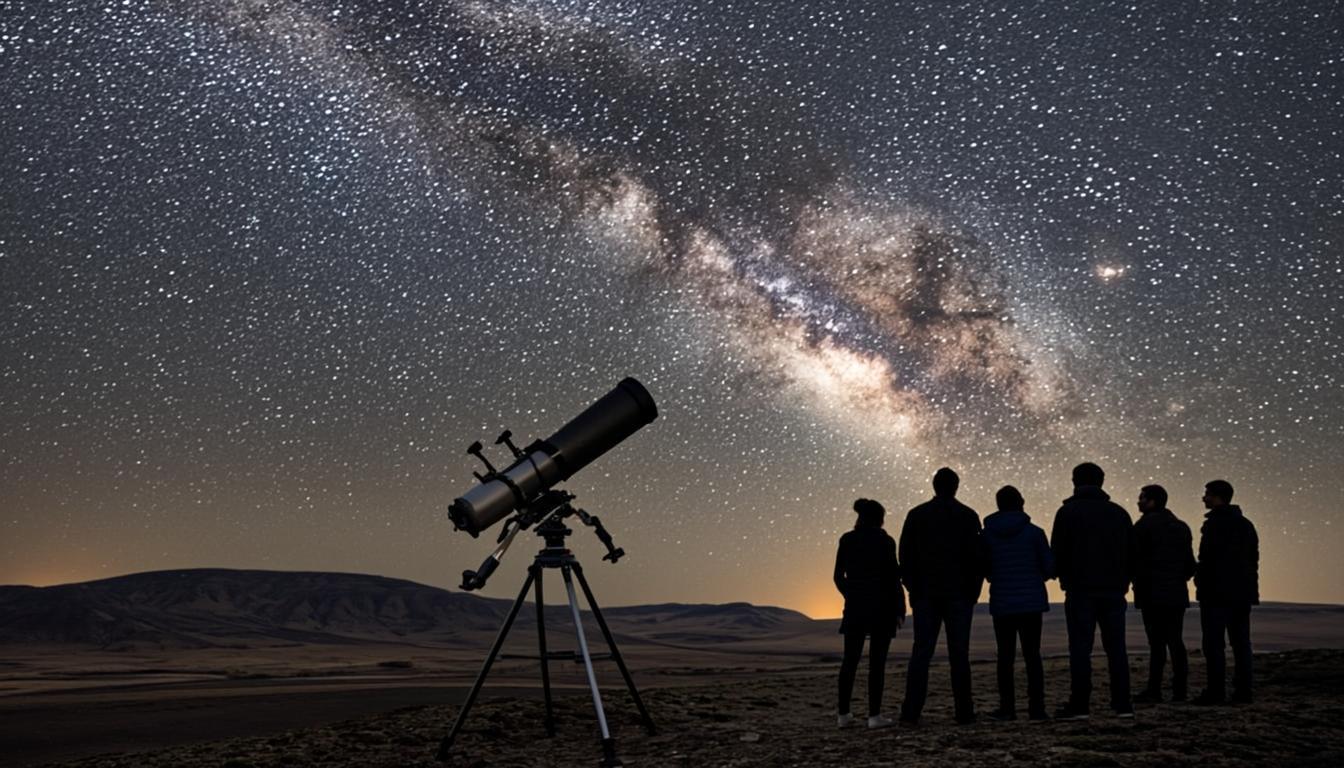
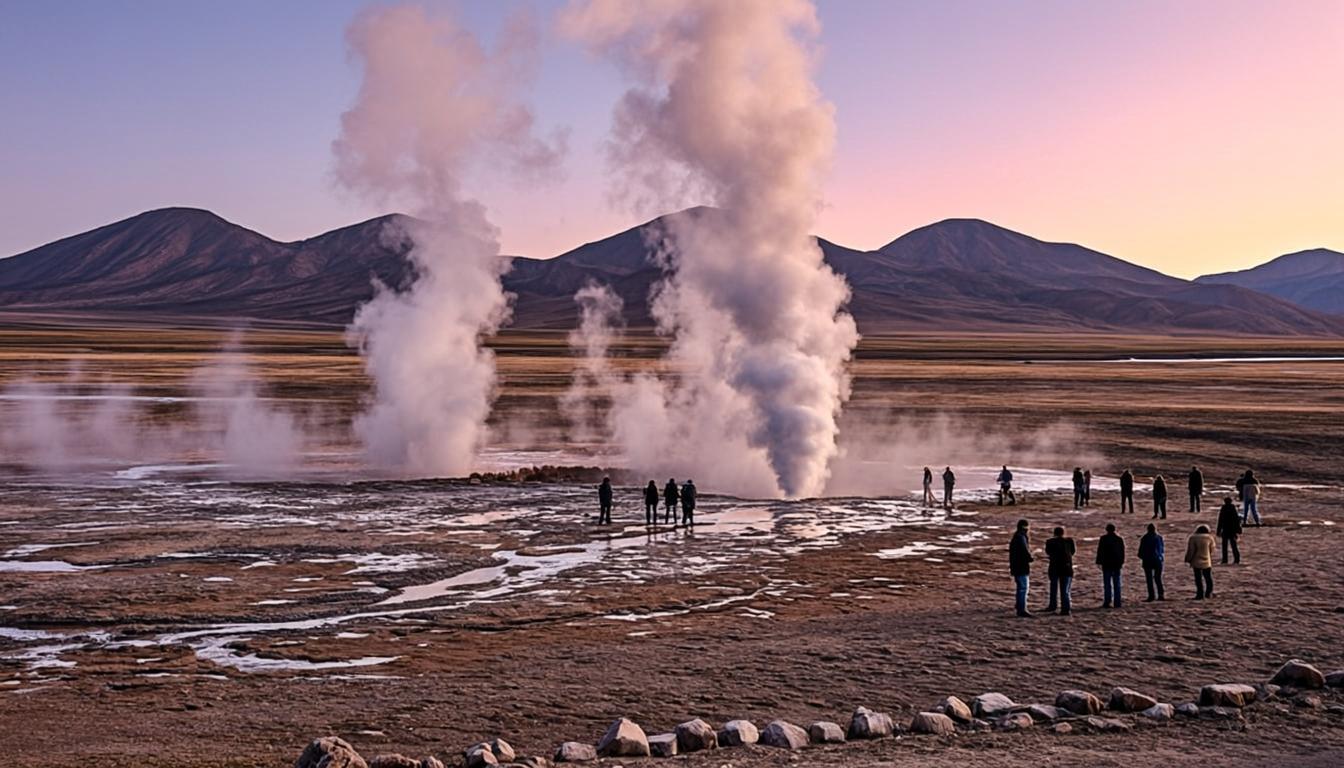
Beanie and gloves if El Tatio or a stargazing tour is booked
Broken-in closed shoes — trail runners are enough for every marked trail here
Refillable bottle with 2 L capacity — tap water is not drinkable
Passport, printed bookings, a debit card and cash in small bills
The number-one packing mistake is dressing for the postcard: people bring heat gear and shiver through a −5°C stargazing night. The number-two mistake is the reverse. Pack for both.
The full packing list, by category
Everything below has earned its place on real tours and real nights out. If your bag gets heavy, cut from the bottom of each category, never the top — the first items in each row are the ones reviews mention when trips go wrong.
Chile uses type C/L plugs (same as Europe, 220 V) — one adapter covers everything you carry.
Many mid-range hotels provide little beyond soap, so bring your own toiletries.
Laundry is cheap and fast in town: a five-day clothing rotation covers a ten-day trip.
Altitude-specific items most guides forget
At 2,450 m your body loses water fast — the air holds almost no humidity and you breathe faster without noticing — so hydration is gear, not a habit. Bring a bottle or reservoir holding at least two liters; single-use bottles cost CLP 1,000–1,500 each in town. Add rehydration salts or electrolyte tablets, and skip alcohol on day one. Ibuprofen handles the dull altitude headache most travelers get on night one; if you have a history of altitude problems, discuss acetazolamide (Diamox) with your doctor before flying — it needs a prescription and a trial run at home.
One more item: a light buff or tube scarf. It sounds cosmetic, but it blocks sun on the neck by day, dust on the van ride to the high lagoons and cold air at dawn — three jobs, one thing to pack. The full prevention strategy is in our altitude guide.
Carry-on vs checked: what goes where
Chilean domestic flights (LATAM, JetSmart, Sky) enforce carry-on limits strictly on the Santiago–Calama leg. Rule of thumb: anything lithium, essential or expensive flies with you. Power banks and camera batteries are carry-on only by regulation. Trekking poles, tripods longer than carry-on and any liquids over 100 ml go in checked luggage — which is exactly why buying sunscreen in San Pedro beats arguing with security over a half-empty 90 ml tube.
Carry-on: passport, medications, power banks, camera gear, sunglasses and one warm layer.
Checked: tripod, trekking poles, the full sunscreen stash, spare shoes, big toiletries.
Buy in San Pedro: sunscreen, lip balm, bottled water, tour snacks, cheap gloves and beanies from the artisan market.
If you check a bag, pack one full day's kit — including the fleece — in your carry-on anyway. A lost-bag night at 2,450 m without a warm layer is memorable for the wrong reasons.
What NOT to bring
Subtraction is part of packing here. The town is sandy, the vans are dusty and the nights are for stars — none of that rewards heavy luggage. Leave these at home and thank yourself on tour day:
Suitcases with wheels you love: streets are sand; a backpack rolls better
White anything: every tour ends the same shade of orange
Heavy denim: layered fleece insulates better and dries overnight
Drones: banned in the national reserves and most tour zones
More than one book: nights are for stars, and screen light ruins night vision
Beach gear for the lagoons: floating in Cejar needs a swimsuit and towel, nothing else
Also leave room coming home — not for souvenirs, but for the alpaca layers you will probably buy at the artisan market. They cost a fraction of technical gear and work better at −10°C than most of it.
Money, water and other practical kit
Bring a debit card that actually works abroad and cash in small bills. San Pedro's ATMs charge US$7–10 per withdrawal and often run dry on weekends — the full math is in our budget guide. Cards work in most agencies and restaurants, but entrance tickets, artisan stalls and small eateries want cash. For nights out, a small red-light headlamp beats your phone torch: the walk to a stargazing site is pitch black by design.
Finally, one dry bag or ziplock: dust gets into everything on the El Tatio road and camera gear hates it. If you are continuing to Bolivia, add a small towel and a sleeping-bag liner — salt-flat lodges provide blankets but do not heat them.
The 7 things travelers forget — and regret
The same seven items come up every week, either bought in a panic at a corner shop or mourned on a van. None are exotic, which is exactly why they get forgotten. Run this check the night before you fly to Calama:
SPF lip balm — the number-one emergency purchase in town: lips crack and blister in air this dry long before skin burns.
Cash in small bills — entrance fees, tips and market stalls are cash-first, and every ATM visit costs US$7–10.
Sunglasses that are genuinely category 3–4 — fashion lenses are why people get eye-watering headaches at 4,300 m.
A power bank — tour vans have no charging, there are no outlets at El Tatio or the lagoons, and cold nights drain batteries 30–40%.
Closed shoes for salt terrain — the crusts around the salar are sharp as broken glass; sandals finish the day with cut ankles.
One layer more than the noon forecast suggests — a 25°C afternoon ends as a −5°C night, and nobody enjoys an emergency CLP 25,000 alpaca hat at 9pm.
A daypack that zips shut — open totes fill with fine dust on gravel roads, and camera lenses pay for it.
Six of the seven are cheap to fix in San Pedro; the real cost is not the price but the half-day lost to a preventable problem.
Buying vs renting gear in San Pedro
San Pedro has a working gear economy: rental shops on and just off Calle Caracoles stock the full winter kit, and the artisan market sells alpaca knitwear that genuinely competes with technical gear at −10°C. Ballpark figures to sanity-check quotes (all approximate; high season skews higher):
Location matters: Caracoles is the convenient strip, but the same items rent 20–30% cheaper a few blocks east toward Toconao street and the municipal market — worth a ten-minute walk for a multi-day rental.
The math: renting wins for a single cold tour, but with El Tatio plus several stargazing nights booked, buying the alpaca layer and renting only the shell comes out even — and the sweater goes home as the souvenir that actually earns its suitcase space.
Rent the once-offs, buy the alpaca: a CLP 20,000 sweater beats every CLP 6,000/day jacket across three or more tours, and the surplus goes to a better dinner. For what a week costs overall, see the budget guide.
Frequently asked questions
Sources & verification
Every fact in this guide was checked against Chilean institutions and reference services. We list the sources so you can verify the basics yourself — and because we do not accept sponsored claims from tour operators.
- MeteoChile — official temperature records behind the 25°C afternoons and 0°C nights that set the layering
- Minsal — UV-radiation and sun-protection health guidance for northern Chile
- timeanddate — sunrise, sunset and darkness times for timing warm layers on dawn and night outings
External links open in a new tab and lead to official Spanish-language pages. Park rules and fees can change seasonally — double-check before you travel.