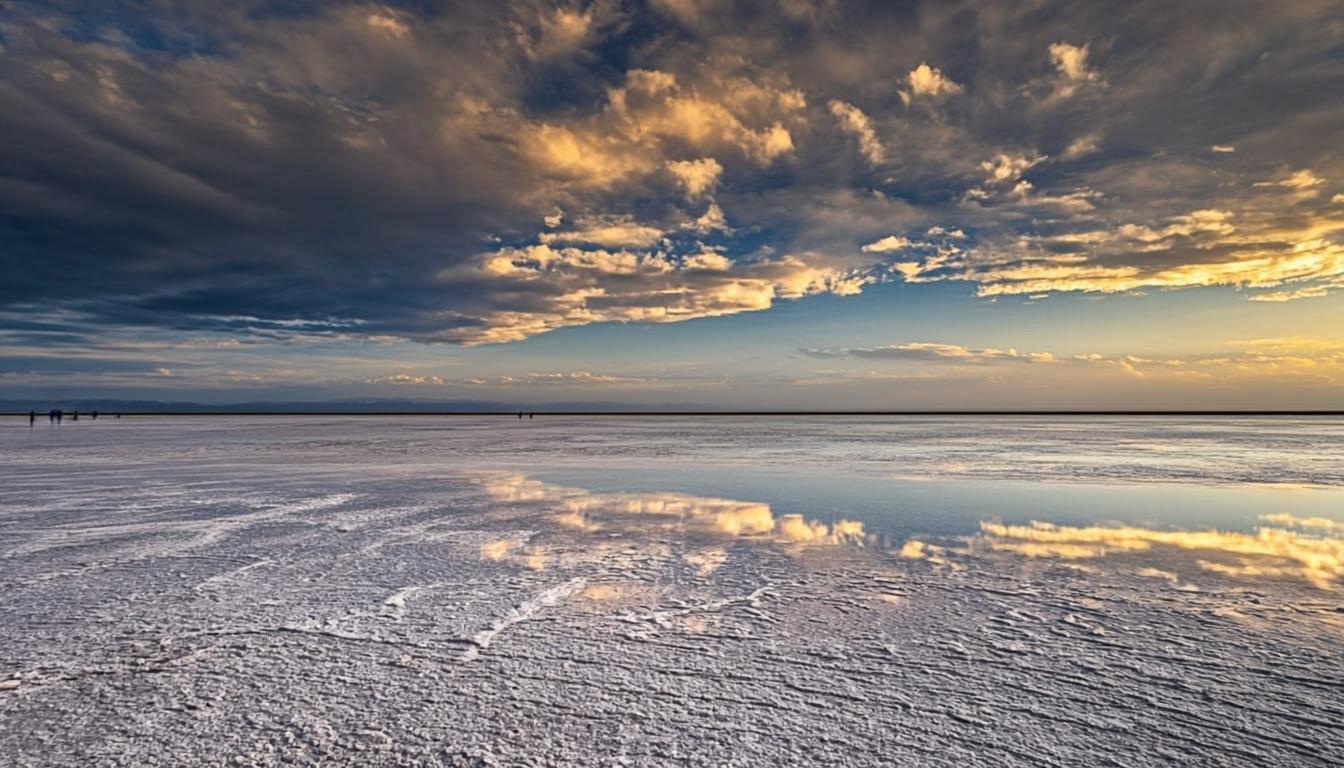
The Uyuni salt flats are the reason many travelers add a week to their Chile trip — and San Pedro is the western trailhead. But the 3-day crossing is also the most physically demanding thing on this site: 4,500-meter passes, −15°C nights, a border queue and basic lodging. Here is the full picture, honestly.
The 3-day crossing, day by day
The classic route runs San Pedro → Eduardo Avaroa reserve → Uyuni salt flats → Uyuni town (or onward to La Paz) in three days and two nights, all in a 4x4 with a driver-guide and up to six travelers per vehicle. Multi-day options in our catalog run from about US$352; independent agencies undercut that from US$250 with varying reliability. The day map:
Note the altitude pattern: the hardest sleeping night is the first, right after the 5,000 m geysers.
Night two drops 600–800 meters lower, and most people finally sleep properly.
The classic route in detail: what each day actually holds
The table above compresses roughly 600 km and three days; this is what the days feel like, with the stops that never make the summary cards. The rhythm is drive, stop, gasp, photograph, repeat — and if you are still weighing the crossing against more days in Chile, the honest trade-offs are in Atacama vs Uyuni.
Operators shuffle day one's order with border queues — some run the geysers before the hot spring — but the altitude arc is constant: the highest exposure and the coldest bed arrive together on night one.
In the rainy season (December–March) day 3 changes shape: the salar floods and becomes a mirror-reflection run with no Incahuasi landing — spectacular, different, and occasionally road-closed.
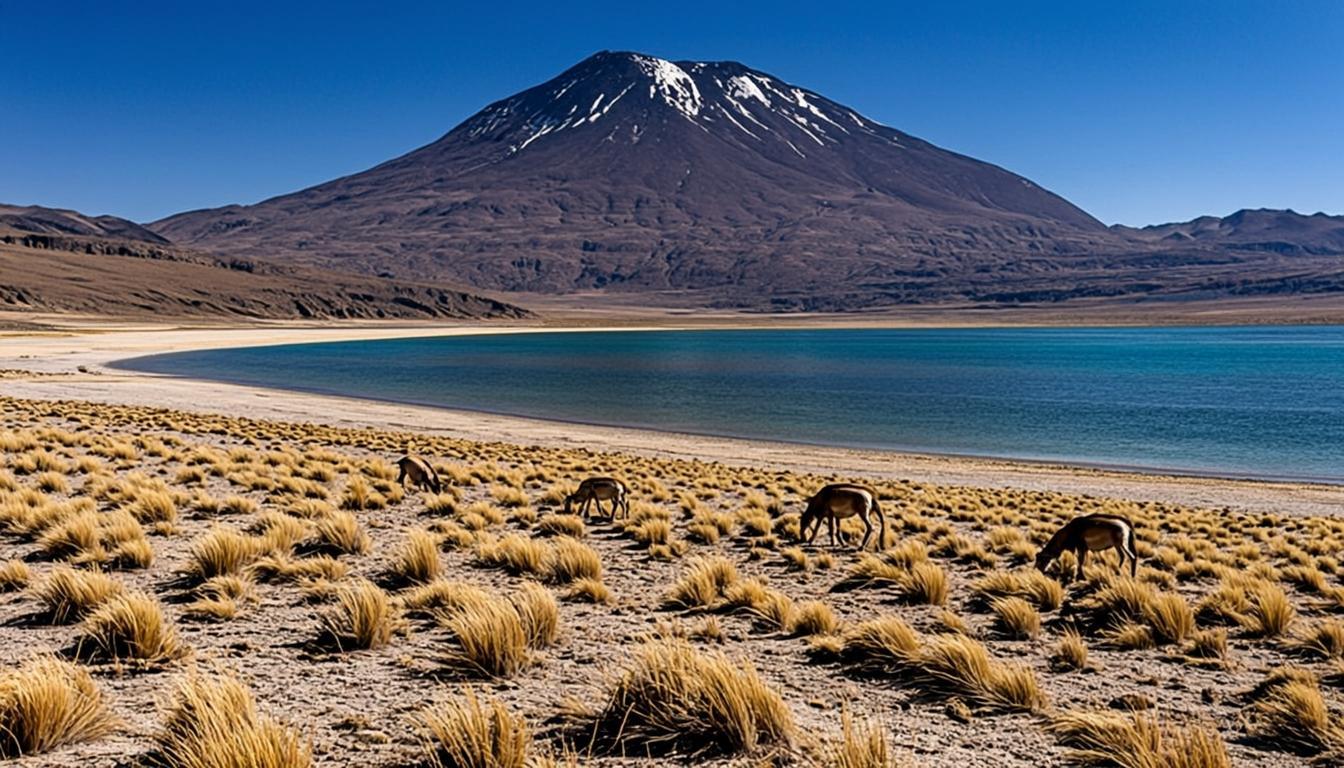
Day one is the test (border, 5,000 m, cold bed), day two is the reward (deserts and lagoons), day three is the photo you came for.
Return to San Pedro or end in La Paz?
Ending in Uyuni town and busing or flying to La Paz is the efficient play: the Uyuni–La Paz night bus takes 8–10 hours; a one-hour flight on small planes (weather-prone, book a day of margin) saves the day. Returning to San Pedro costs a day of backtracking but keeps your international ticket intact and your exit simple. Our default advice: end in La Paz if your trip continues north; return only if Chile is your final stop.
Flights from Uyuni are small and weather-dependent, so never book one for the same evening the tour ends — the salt flats close when it rains and schedules slip. Buses run nightly and are the reliable option: semi-cama, cold, fine. See also getting to San Pedro for the Chile side of the puzzle.
The border crossing: what really happens
You leave Chile at Hito Cajón, a dirt-strip border post at roughly 4,500 m about an hour from the lagunas. Process: Chilean exit (the PEX digital system — carry your passport and proof of legal entry), then Bolivian immigration in a one-room office. Most nationalities receive a free tourist entry of 30–90 days; a few need a pre-arranged visa with fees and photos, so verify for your passport before booking. Queues move slowly; bring patience, printed bookings and zero expectation of Wi-Fi.
Money at the border is cash-only: the reserve and lagoon fees, any processing charges and tips all happen in Bolivianos or US bills, and there is no ATM until Uyuni town. Exchange a small amount in San Pedro beforehand and bring small denominations.
Bring cash in small Bolivianos and US bills: border and lagoon fees are cash-only, and the next ATM is 500 km away in Uyuni town.
Altitude and cold: the hardest night of your trip
This is not a San Pedro-style altitude experience: you sleep at 4,200–4,600 m on night one after standing at 5,000 m that same afternoon. Do the crossing at the end of an Atacama week, after four or five days of acclimatizing — the 36–48 hour rule applies to the whole region, and this is its final exam. Night temperatures hit −10 to −15°C in the dry season (April–November); lodges are basic, unheated and thin-walled. Rent a sleeping bag or liner (US$10–15) and sleep in your layers.
If you have any history of cardiac problems or severe altitude illness, talk to a doctor before booking — descent from night one is hours away on dirt roads. The packing list night kit applies doubly here.
What is included — and the fees that are not
Inclusions are consistent across operators, but the exclusions are where budgets slip. Before paying anything, check the list against your quote and add roughly US$20–30 per person in fees on top of the tour price.
Included: 4x4 transport, driver-guide, two nights of basic lodging, most meals, pickup at your San Pedro hotel
Not included: Bolivian reserve and lagoon fees (around Bs 150), Isla Incahuasi entry (around Bs 30), border processing charges, sleeping-bag rental, extra drinks and snacks, driver tips
Bring: passport, cash in small bills, two liters of water per day, sunscreen (the salar reflects hard), warm layers, a headlamp and wet wipes — showers are not guaranteed
Tipping the driver-guide (US$10–15 per traveler across the trip) is customary and genuinely earned: they are mechanic, chef and medic at once
Cold, altitude, toilets: the honest reality checklist
The Uyuni crossing is the best scenery-per-day in South America and the least comfortable three nights on this site. Both are true. This is the checklist we wish someone had read aloud before our first crossing:
Cold: −10°C is a normal dry-season night and −15°C happens June–August; the refugios have no heating, so you sleep in thermal layers under heavy blankets.
Showers: mostly none on night one; night two may offer a bucket or a coin shower. Wet wipes and dry shampoo are essential packing, not luxuries.
Toilets: shared, cold and often squat at the high refugios; bring your own paper and a headlamp for the walk over.
Power: solar panels give a couple of hours of shared sockets at night — one slot per six travelers. A full power bank earns its bag space.
Altitude: the Sol de Mañana vents sit at 4,900–5,000 m on day one, night one sleeps above 4,200 m, and day two stays over 4,000 m for hours — the final exam after your Atacama acclimatization, not the first test.
Money: reserve fees, Incahuasi, tips and drinks are all cash — Chilean pesos for your last hours in San Pedro, Bolivianos in small bills for everything after the border. No ATM until Uyuni town, 500 km later.
Food: basic and repetitive — soup, rice, chicken, sometimes llama steak. Bring snacks you actually like; there is nowhere to buy more.
The van: up to six travelers plus driver, daily seat rotation is standard, and the middle back seat earns everyone's gratitude.
None of this is a reason to skip the crossing — it is the reason to do it at the end of the trip, fully acclimatized, with cash, layers and zero expectations of comfort.
When it is worth it (and when to skip)
Worth it if: you have eight or more days in total, you are reasonably acclimatized, and the salt flats are a bucket-list image for you — they are unlike anything in Chile. Skip it if: you have under a week (compressing Atacama to fit Uyuni weakens both), you are sensitive to altitude or cold, or you need comfort — this is the one tour here with genuinely rough edges, from squat toilets to frozen water bottles.
Do it at the end of your trip, never the start: the Atacama days are your acclimatization, and the itinerary math works out cleanly with four or five nights in Chile first. Compress it to two days and you will remember the headache, not the flamingos.
Frequently asked questions
Sources & verification
Every fact in this guide was checked against Chilean institutions and reference services. We list the sources so you can verify the basics yourself — and because we do not accept sponsored claims from tour operators.
- Gobierno de Chile — official Chilean exit formalities (PEX digital system) and border documentation
- Carabineros — police emergency assistance (133) across the remote Atacama-Andes border zone
- MeteoChile — high-Andean climate extremes (sub-zero nights and wind) on the Chilean side of the route
- timeanddate — sunrise and sunset times for the daylight-only Hito Cajón border window
External links open in a new tab and lead to official Spanish-language pages. Park rules and fees can change seasonally — double-check before you travel.